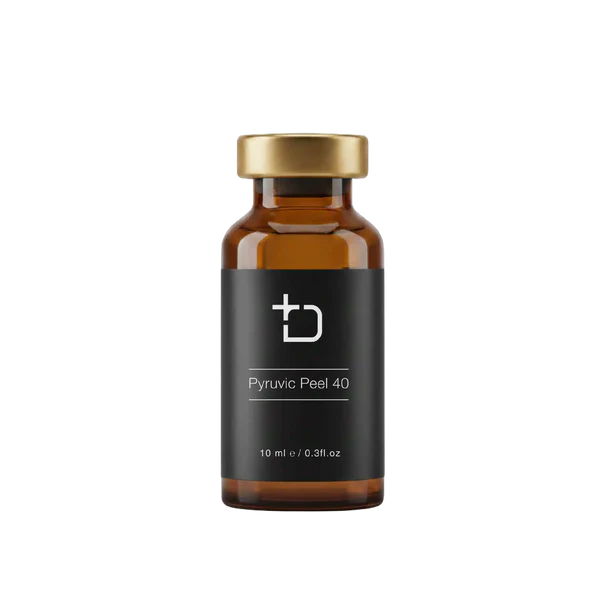
DermExcel – Pyruvic Acid Peel – 40%, 10ml – Professional Use

$46.84

SKU: DX-PP40

DermExcel – Pyruvic Acid Peel – 40%, 10ml – Professional Use

The Pyruvic Acid Peel is indicated for skin presenting with excess oil, congestion, breakouts, uneven texture, and early signs of photoaging, where sebaceous overactivity, follicular obstruction, and slowed epidermal renewal contribute to visible skin irregularities. Formulated with a high-performance alpha-keto acid, this peel promotes controlled exfoliation while supporting sebum regulation, improved pore clarity, and accelerated epidermal renewal, resulting in smoother, more refined-looking skin.

Pyruvic acid also stimulates dermal activity, supporting collagen and elastin production while assisting in the gradual improvement of pigmentation irregularities, post-acne marks, and textural concerns.
 

  • New

80+ name brands
 to choose from

Serving over 7,500 Med Spas nationwide

Helping Med Spas Stock Smarter – One Click at a Time

Active ingredients


Full Ingredient list

Pyruvic Acid

Indications:

  • Acne & Congestion: Helps clear blocked pores, reduce breakouts, and improve overall skin clarity by targeting follicular obstruction and excess oil.
  • Oily Skin: Supports regulation of excess sebum, helping to reduce shine, congestion, and the appearance of enlarged pores.
  • Hyperpigmentation: Assists in fading dark spots, post-inflammatory pigmentation, and uneven tone through accelerated cellular renewal.
  • Photoaging: Improves the appearance of fine lines, sun damage, and uneven skin texture while supporting skin firmness.
  • Enlarged Pores: Helps refine pore appearance by reducing oil accumulation and improving follicular turnover.
  • Rough & Uneven Texture: Promotes exfoliation to smooth rough skin and enhance overall skin refinement and radiance.
  • Post-Acne Marks: Supports improvement in residual discoloration and superficial textural irregularities following breakouts.

1. Cleanse

  • Cleanse the skin with Pore Control Cleanser.

2. Prep

  • Use the Pre-peel solution to remove excess oil from the skin.

3. Treat

  • For increased melanogenesis inhibition, collagen stimulation, and hydration, apply 1-2 pumps Collagen – or Retinol serum. Gently spread over the treatment area.

4. Boost (optional)

  • Apply DermNourish, DermRepair, or Enriched, followed by Dermdefence SPF.

5. Protect

  • Cleanse with any DermExcel Cleanser.
  • Apply your evening serum.
  • Then apply DermExcel Moisturizer if required.
  • Exclude Chemical Exfoliator from your regimen for one week.
  • Resume all active ingredients after post-peel irritation subsides.

6. Post Peel Instructions

  • Keep the skin well moisturised and avoid unnecessary touching or manipulation.
  • Do not pick or peel flaking skin.
  • Use a broad-spectrum SPF 30 or higher daily and limit sun exposure.
  • Avoid exfoliating acids or active resurfacing products for 10–14 days post-procedure.

Pyruvic Acid Peel – 40%

Pyruvic acid, an alpha-keto acid naturally produced during cellular metabolism, is widely used in dermatology and aesthetic medicine for its powerful resurfacing, sebostatic, and antimicrobial properties. Due to its small molecular size and lipophilic character, pyruvic acid penetrates efficiently through the epidermis and into sebaceous follicles, making it particularly effective in treating oily and acne-prone skin conditions.

Once applied to the skin, pyruvic acid induces controlled keratolysis by disrupting corneocyte cohesion within the stratum corneum. This process accelerates epidermal turnover, facilitating removal of compacted keratinocytes, improving skin texture, and promoting a clearer, more refined complexion. In addition to its exfoliating action, pyruvic acid exhibits sebostatic activity, helping regulate excessive sebum production and reducing the oily environment that contributes to follicular obstruction.

A unique characteristic of pyruvic acid is its in situ conversion to lactic acid within the skin, which contributes to additional hydration and supports barrier function while maintaining effective resurfacing activity. Pyruvic acid has also demonstrated antimicrobial effects against acne-associated microorganisms and stimulates dermal remodeling through activation of fibroblasts and increased synthesis of collagen and elastic fibers.

The dermatologic benefits of pyruvic acid have been documented in clinical studies evaluating its use in acne, seborrhea, photoaging, and superficial scarring. Through a combination of keratolytic, antimicrobial, sebostatic, and dermal-stimulatory mechanisms, pyruvic acid contributes to visible improvements in skin clarity, texture, and overall skin rejuvenation.


Physiological Effects

  • Keratolytic Action: Pyruvic acid disrupts corneocyte cohesion within the stratum corneum, promoting controlled desquamation and accelerated epidermal turnover. This facilitates removal of compacted keratinocytes and improves overall skin texture and clarity.
  • Sebostatic Activity: Pyruvic acid penetrates sebaceous follicles and reduces excessive sebum production, helping to normalise sebaceous gland activity and limit the oily environment associated with follicular congestion.
  • Antimicrobial Activity: Pyruvic acid exhibits antimicrobial effects against acne-associated microorganisms, contributing to reduction of bacterial proliferation within the follicular environment.
  • Dermal Stimulation: Controlled epidermal injury induced by pyruvic acid stimulates fibroblast activity within the dermis, promoting synthesis of collagen and elastic fibers and supporting improvement in skin firmness and fine lines.
  • Epidermal Renewal: By accelerating epidermal turnover, pyruvic acid promotes regeneration of newly formed keratinocytes and replacement of damaged or photodamaged epidermal cells.
  • In Situ Conversion to Lactic Acid: Following penetration into the skin, pyruvic acid is partially converted in situ to lactic acid. This metabolic conversion contributes additional hydrating and mild exfoliating effects, supporting overall skin conditioning during the resurfacing process.

Managing Dermatological Conditions

  • Acne Vulgaris: Pyruvic acid plays an important role in acne management through a combination of keratolytic, sebostatic, and antimicrobial effects. By reducing follicular hyperkeratinisation and regulating sebum production, it helps prevent microcomedone formation while limiting bacterial proliferation within sebaceous follicles.
  • Seborrhea & Oily Skin: Pyruvic acid exhibits sebostatic activity by reducing excessive sebum production within sebaceous glands. This helps restore balance in oil-prone skin and reduces the environment that contributes to follicular congestion and inflammatory breakouts.
  • Photoaging: Through controlled epidermal renewal and stimulation of dermal fibroblasts, pyruvic acid supports improvement in photodamaged skin. Increased collagen and elastic fibre synthesis contribute to enhanced skin firmness and reduction in the appearance of fine lines.
  • Post-Acne Scarring: By promoting dermal remodeling and stimulating collagen synthesis, pyruvic acid assists in improving the appearance of superficial acne scars and irregular skin texture.
  • Hyperpigmentation & Dyschromia: Accelerated epidermal turnover facilitates removal of melanin-containing keratinocytes, contributing to gradual improvement in superficial pigmentation irregularities and uneven skin tone.
  • Rough & Uneven Texture: Through keratolysis and improved epidermal renewal, pyruvic acid refines surface irregularities associated with compacted stratum corneum and impaired desquamation.